Old and busted: Demanding ID for voting hurts the poor, women, and minorities! New hotness: Bring your ID if you expect to eat at Commie Basket!
For decades, the Left has insisted that asking for identification to access the ballot box was far too burdensome for its grievance collectives. Of late, the argument has been that black voters and women face particular burdens in getting accurate identification, the former because of the lingering effects of Jim Crow and the latter because of name changes due to marriage and divorce. Requiring ID to vote would disenfranchise these voters, Democrats insist, even though every poll shows majority support for voter-ID requirements across all demos, including these.
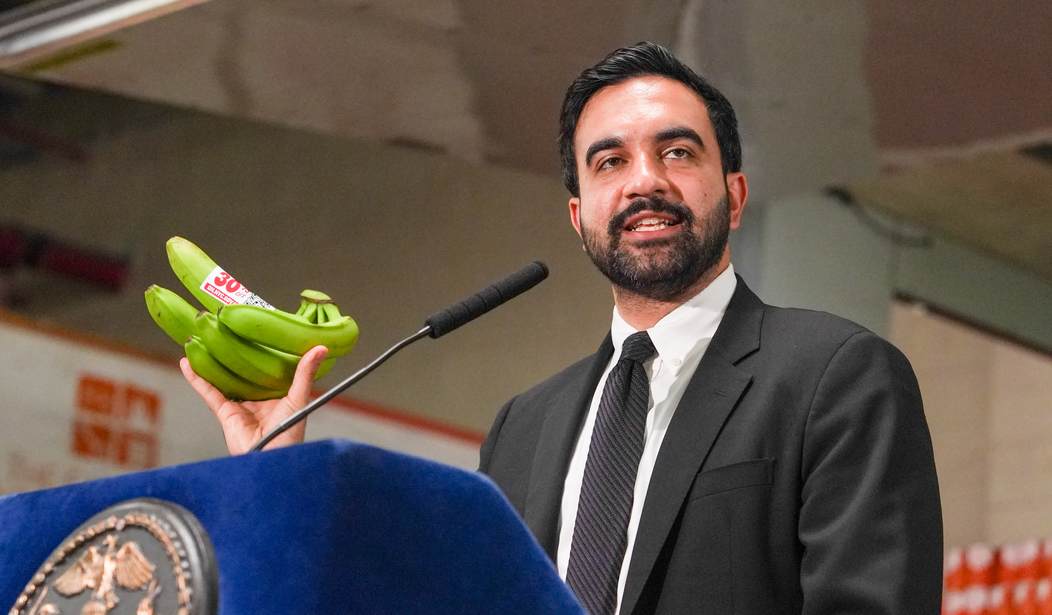
How about when it comes to accessing food, especially subsidized purchases that purportedly benefit these same aggrieved communities? New York City Mayor Zohran Mamdani wants to verify eligibility to eat in the same way the Left rejects verification of eligibility to vote:
Mamdani wants to protect tax payer funded grocery store from non-NYC residents… they’ll need an ID card to enter.
— Nick Plumb (@PlumbNick) August 2, 2026
You can make this up. pic.twitter.com/lXs2SKdjBt
We are looking to make sure that we target New Yorkers, whether it be sort of a library card-esque [garble]. And also, we manage who's buying, and that is focused on everyday New Yorkers.
A "library card-esque" thing, eh? In other words, New Yorkers will need Eater ID to access subsidized groceries. It's too burdensome for the poor and disadvantaged when it comes to voting, but when it comes to food lines, you'd better bring your party card, tovarisch.
The hypocrisy is hardly a secret, either. Mamdani and his team built it into the Request for Proposal (RFP) for the government-owned grocery stores that will all but ensure food deserts in the Big Apple. Mamdani insisted last week that the stores wouldn't drive small businesses out of the city, but the attempts to sell staples below costs will dry up demand at established grocers no matter how much Mamdani denies it:
Under the Mamdani plan, the city owns the land or leases space and covers the costs of construction or renovations, and a private contractor manages the daily operations where "everyday staples" will be sold at discounts.
Critics have said the city-run stores will hurt small, privately-run, neighborhood bodegas.
The mayor disagrees, saying that the city's groceries won't sell items like cigarettes, alcohol and lottery tickets.
"We know that a lot of what drives revenue for these bodegas, grocery stores, those are things that make it possible for them to continue to operate. Those are not things we have any interest in competing for," he said.
Yet, anyway. Just wait, tovarisch.
People rarely go to the store solely for those items, however. Those are impulse purchases. People will shop for groceries where they get their discounts, however, which means these private businesses will see their foot traffic decrease substantially for a while as their customers avoid having to make two trips tp grocery stores each week. The city-run stores will force competitors to shut down in the face of unfair business practices that would draw regulatory enforcement if Commie Basket were privately owned. Then, when the food runs out – s it always does with government-operated grocery stores – consumers will have to buy at high-margin convenience stores instead, and the Left will complain about "food deserts" they themselves created.
Nicole Russell sees the same outcome, only with millions of dollars lost by New Yorkers in the process:
Mamdani's idea may sound appealing, but it's NYC taxpayers who will take the hit, subsidizing discounts they may never even use. Grocery store profit margins are already slim, among the thinnest in retail. Only a handful of stores are opening, so the damage to local grocers and bodegas may be limited at first, but they'll still have to compete against city-subsidized prices, which could drive their prices higher.
Several experts have called Mamdani's plan what it is: a fantasy.
Adam Lehodey, a policy analyst at the Manhattan Institute, told Fox News Digital that "the 30% savings that Mamdani announced on his government-owned stores are an illusion" because taxpayers will cover millions in subsidies while the stores sit rent-free on government land.
New Yorkers, Lehodey said, will still pay the full price, just indirectly, through their tax bill instead of at the checkout line.
Small Business Administration Administrator Kelly Loeffler put it more bluntly on X: New York taxpayers will pay $70 million to build the stores, then keep paying subsidies indefinitely to prop them up while they undercut the small businesses next door.
Russell may be more right than she knows. The razor-thin profit margins on groceries matter here. It accelerates the existential threat that Commie Basket presents to a well-functioning market with robust competition and prices that already favor consumers. It won't take long for Commie Basket to break that equilibrium sufficiently for capital to depart and for competitors to invest elsewhere, leaving consumers at the mercy of a subsidized system that costs far more than prices reflect, especially when shortages arise and Commie Basket has to start rationing – as communists always do when achieving a monopoly on food.
And that's the end result for Commie Basket. Every. Single. Time.
When the time comes for rationing, you'd better have your party card, tovarisch. Otherwise, get ready to starve for The Greater Good.









Join the conversation as a VIP Member