Putin has been increasing his hybrid warfare attacks on Europe in hopes of getting countries like Germany to pull back support for Ukraine. So far his plan appears to be backfiring. Neverthelss, the EU is nervously anticipating more attacks that could arrive at any time.
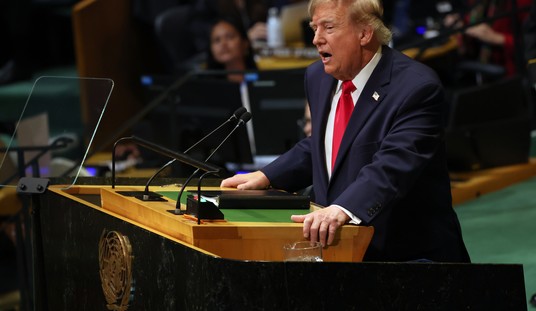
In the past week, European leaders have spoken with uncommon urgency about Russia’s shadow war. Prime Minister Donald Tusk of Poland, citing unspecified intelligence, said Moscow may be planning attacks in Europe. “No one is safe,” President Emmanuel Macron of France cautioned. The British prime minister, Andy Burnham, told the U.N. General Assembly that his country faced an “industrial-scale assault” in terms of information warfare.
In an assessment released on Thursday, the Danish government’s defense intelligence service concluded that Russia would increase its threats to NATO nations, “with greater consequences for the targeted countries than in the past.”
The theory behind these attacks is pretty simple. Russia has its hands full fighting Ukraine thanks to the support of the EU. Putin definitely can't afford a direct military confrontation with EU countries, especially since that would trigger a full NATO response. So direct attacks are off the table, but any attack shy of that, ones that Russians can plausibly deny, are still on the table.
What Russia has been doing is simply offering money to people willing to carry out attacks on Euro targets. That keeps Russia at one remove. They can continue to deny any responsibility, but the countries under attack still get the message.
Earlier this month, a Russian drone smashed into a passenger train in western Ukraine, perilously close to the Polish border, as foreign visitors were leaving a diplomatic conference in Kyiv. It was widely seen as a warning to Ukraine’s allies.
“We have to be prepared more, and we have to understand that this activity is now becoming almost ever-present,” the European Union’s top military adviser, Gen. Sean Clancy of Ireland, said in an interview.
Hybrid attacks are basically opportunistic. They happen because someone sees a weakness that can be exploited and because Russia is confident it can avoid direct responsibility and the response that would come with it. Poland is seeing a bit of that now along its border.
Russia isn’t at war with Poland, but over the past few years European leaders say it’s mounted a series of so-called hybrid attacks to pressure adversaries in the West and NATO that include sabotage, disinformation and cyberattacks. Poland is worried that the drones or missiles strikes could spill over from Ukraine, whether by accident or as part of a Russian strategy of ambiguous attacks.
The anxiety intensified after two Russian drones exploded on the Ukrainian side of the Dorohusk-Yahodyn crossing in the early hours of Sept. 13. The explosions could clearly be heard in Dorohusk.
“There is new restlessness and fear because you could hear those explosions very well on that night in our village,” said Wojciech Sawa, the Dorohusk mayor. “We had never had something like that before. This was the first time the sirens wailed.”
The attack, when it comes, won't look like a planned strike. It will look like an accident. And that's fine with Russia. They don't mind being found out so long as the evidence they were responsible is just vague enough that Poland (or Germany) can't justify a military response.
And similar hybrid attacks could hit western Europe.
...there is growing speculation that Russia could expand its war to Western Europe. On Thursday, the Spanish newspaper El Mundo published information about a CIA report warning that Russia could be preparing drone attacks on Italy, France and Spain. The attacks could be launched from international waters in the Mediterranean and from vessels that were part of Russia's shadow fleet.
There has been no official confirmation so far. French President Emmanuel Macron said that that the CIA had not informed France of this information, but he did say that the possibility Russia could launch an attack against Europe was "plausible."
What the EU does not have, so far, is a plan for dealing with these attacks. One way to discourage hybrid attacks is to make Russia pay a price for them. Plans for how to coordinate that are just starting.
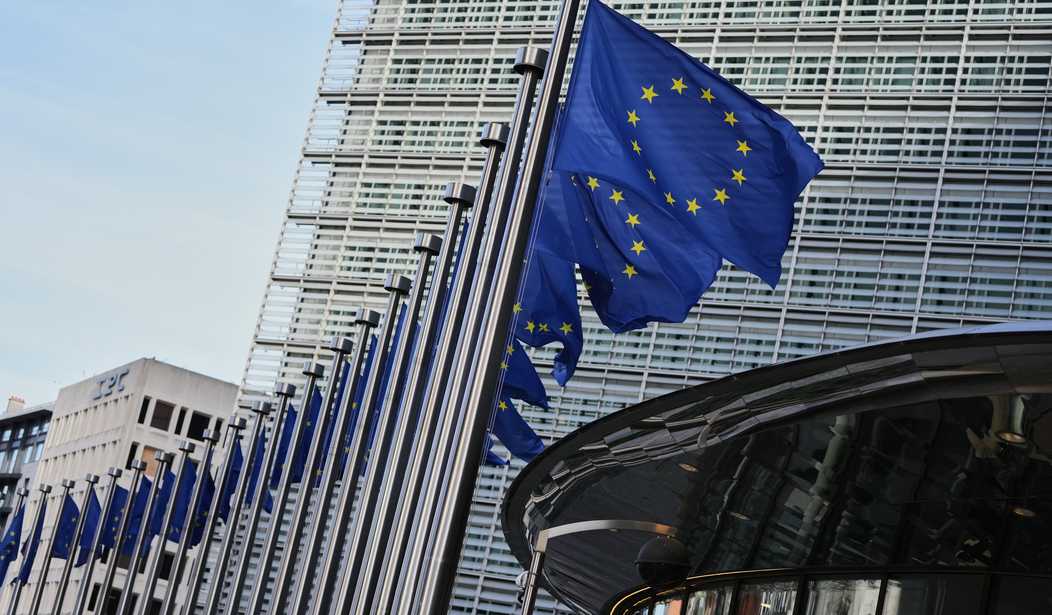
EU defense ministers want the bloc to develop a common response to the growing wave of Russian hybrid attacks.
At the Foreign Affairs Council gathering Monday, ministers' discussion will focus on an "Emergency Security Protocol" as a "broader strategy against the hybrid attacks," the EU's top diplomat Kaja Kallas told reporters...
While diplomats say the details are still vague on what the protocol could entail in theory, it could apply to drone incursions, sabotage and cyberattacks, once it's clear who was responsible. Kallas stressed that the protocol would apply to "everything that is under the threshold of armed aggression."
The attacks are coming. They've already happened in Germany. Taking the threat seriously and agreeing to respond to them is an important step toward letting Putin know these attacks won't be ignored. But this is still the EU we're talking about. Reaching a consensus about anything could take a while.